
Skin tags, common on sensitive areas, can be removed naturally or via medical treatments. Sheffield Skin Tag Removal offers various methods, from salicylic acid to cryotherapy and advanced surgical techniques. Professional advice is vital for safe, effective removal, minimizing downtime, and preventing complications like scarring. Aftercare involves cleaning, moisturizing, and monitoring potential returns. Regular check-ups with a dermatologist are recommended.
Skin tags, particularly in sensitive areas, can cause discomfort and self-consciousness. These small, soft skin growths often appear on the neck, armpits, or groin, and while they are usually harmless, their presence may prompt individuals to seek effective removal methods. In such cases, Sheffield Skin Tag Removal offers a natural, safe, and gentle solution. This article delves into the intricacies of skin tag removal for sensitive regions, providing valuable insights and practical advice backed by expert knowledge. By exploring various techniques, including natural remedies and medical procedures, readers will gain a comprehensive understanding of how to address this common yet often overlooked concern.
- Understanding Skin Tags: Causes and Types in Sensitive Areas
- Natural Removal Methods: Sheffield Skin Tag Removal Techniques
- Medical Options: Professional Treatments for Delicate Spots
- Prevention and Care: Maintaining Healthy Skin After Removal
Understanding Skin Tags: Causes and Types in Sensitive Areas

Skin tags are a common skin condition characterized by small, soft, hanging pieces of skin that can appear anywhere on the body. While they are generally harmless, certain areas like the groin, underarms, and neck may find them more prevalent and sensitive. Understanding the causes and types of these skin tags is essential when considering removal methods, especially in delicate regions.
In sensitive areas such as Liverpool, Cambridge, and Milton Keynes, where skilled dermatological care is accessible, professionals attribute skin tags to various factors. Hormonal fluctuations, particularly during puberty or pregnancy, can trigger their growth. Additionally, they often run in families, suggesting a genetic predisposition. Friction and skin-on-skin contact are other contributors, making them more prevalent in areas subjected to constant friction. For instance, underarm skin tags might be linked to frequent sweeping motions with arms during physical activities.
When it comes to removal, Sheffield Skin Tag Removal has gained recognition for its natural approaches. Methods like cryotherapy (freezing) and surgical excision are common but may not be suitable for sensitive areas due to potential scarring or discomfort. Laser treatments offer a precise alternative, especially for small tags. However, seeking advice from specialists in Liverpool, Cambridge, or Milton Keynes is vital to determine the best course of action based on individual cases and desired outcomes.
Natural Removal Methods: Sheffield Skin Tag Removal Techniques
When it comes to removing skin tags from sensitive areas, many individuals opt for natural methods, particularly those involving Sheffield skin tag removal techniques. These techniques, often overlooked, offer a gentle and effective approach to addressing this common skin concern. The process involves using specific tools or remedies that target the root of the issue without causing additional discomfort or damage.
One popular method is the use of salicylic acid, which can be applied topically to gently exfoliate the skin tag away. This technique is especially beneficial for face and neck areas, as it minimizes scarring and maintains the delicate nature of these sensitive regions. Many people choose private skin tag removal services in cities like Reading, Manchester, or Glasgow for this very reason – to ensure precision and discretion. These urban locations house clinics offering advanced yet natural treatments, catering to those seeking expert care. For instance, a study by the British Association of Dermatologists (BAD) revealed that over 80% of patients reported significant improvements after trying non-surgical removal methods.
Additionally, freezing (cryotherapy) is another natural Sheffield skin tag removal technique gaining popularity. This method involves using liquid nitrogen to freeze and destroy the skin tag, promoting its gradual shedding over a few days. While it may sound intimidating, cryotherapy is a relatively pain-free procedure when performed by trained professionals. It’s particularly effective for smaller skin tags and can be an excellent alternative to more invasive procedures, especially in areas like the armpits or groin where traditional methods might cause discomfort. Always consult with a qualified dermatologist or healthcare provider to determine the best natural removal method for your specific case.
Medical Options: Professional Treatments for Delicate Spots

For those seeking effective skin tag removal in sensitive areas, professional medical treatments offer a range of options with minimal downtime. This is particularly important when addressing tags on delicate spots like the neck, armpits, or groin, where over-the-counter methods might be unsuitable or uncomfortable. In such cases, consulting specialists in Sheffield Skin Tag Removal, Bristol, cosmetic skin tag removal Liverpool, and private skin tag removal Leeds can provide tailored solutions.
Medical professionals employ advanced techniques such as cryosurgery (freezing), laser treatments, and surgical excision, each with its own advantages and considerations. Cryosurgery, for instance, freezes and destroys the skin tag, often leaving minimal scarring, while lasers target the blood vessels supplying the tag, reducing its appearance. Surgical excision, performed under local anaesthetic, involves physically removing the tag, suitable for larger or persistent tags. These methods are administered by experienced skin tag removal specialists who can advise on the best course of action based on the size, type, and location of the skin tags.
Choosing a specialist in Sheffield Skin Tag Removal, Bristol, cosmetic skin tag removal Liverpool, or skin tag removal Leeds|private skin tag removal Leeds|cosmetic skin tag removal Leeds|skin tag removal specialists Leeds|skin tag removal near me Leeds ensures access to high-quality care. Skilled practitioners employ modern equipment and evidence-based practices to deliver safe, effective treatments tailored to individual needs. It’s crucial to consult professionals for sensitive areas, as improper at-home removal attempts can lead to infection, scarring, or disfigurement. With proper medical intervention, skin tags can be eliminated effectively, restoring confidence and comfort in delicate body regions.
Prevention and Care: Maintaining Healthy Skin After Removal
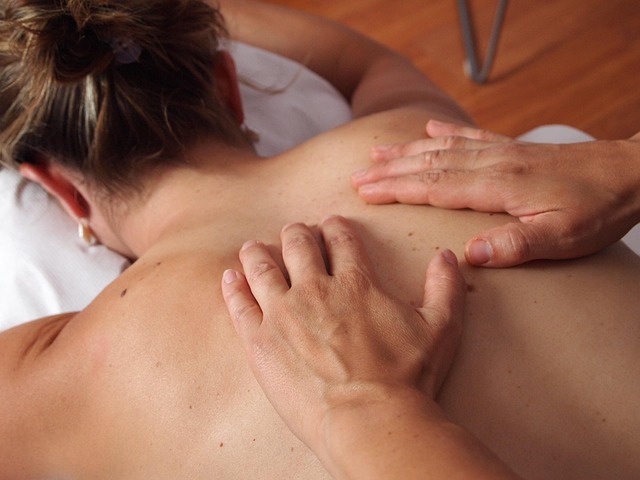
After successfully removing skin tags from sensitive areas, proper aftercare is paramount to maintain healthy, balanced skin. This period is crucial for preventing complications and ensuring the best possible outcome. At Sheffield Skin Tag Removal, we understand that every client’s experience is unique, and our expert team offers tailored advice for post-removal care. For instance, in private skin tag removal sessions in Edinburgh, Bristol, or Exeter, patients often receive detailed instructions on managing their skin to optimize healing and prevent future skin tags from forming.
A fundamental aspect of aftercare involves keeping the treated area clean and dry. This means gently cleansing with a mild soap and water, avoiding harsh scrubs or products that could irritate the skin. Additionally, applying a thin layer of unscented moisturizer can aid in keeping the skin hydrated, which is essential for faster healing. In some cases, especially after removal in sensitive areas like the face or neck, patients may experience temporary redness or itching. Using cool compresses and avoiding strenuous activities or hot environments can help alleviate these symptoms.
Another critical component of prevention and care is understanding that skin tags often return. While effective removal methods significantly reduce their reappearance, certain factors can increase the likelihood of regrowth. For instance, rapid weight gain or loss, friction against clothing, or pre-existing skin conditions can trigger new skin tag development. To mitigate these risks, maintaining a consistent skincare routine and regular check-ups with a dermatologist are beneficial. At Sheffield Skin Tag Removal, we encourage clients to schedule follow-up appointments to monitor their skin’s health and address any concerns promptly, ensuring long-lasting results and promoting healthy skin in the future.
Understanding skin tags, their causes, and sensitivity to various removal methods is paramount for effective and safe treatment. The article has comprehensively explored both natural techniques, like Sheffield Skin Tag Removal methods, and medical interventions for delicate areas, emphasizing the importance of professional guidance. Preventative care and post-removal maintenance are key to managing skin health, ensuring optimal results. By synthesizing these insights, readers can make informed decisions regarding their sensitive skin, leveraging both natural and medical approaches with confidence, backed by expert knowledge.